Transformative Power
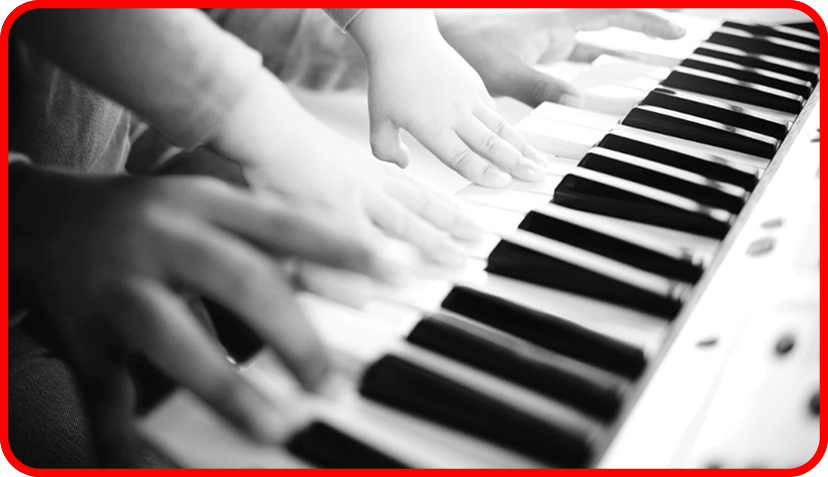
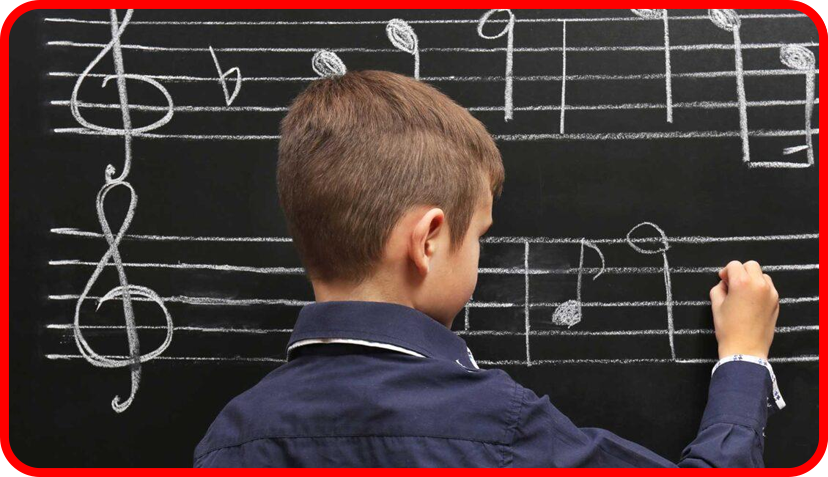
Music has a profound impact on children with learning differences, providing them with numerous benefits that enhance their overall development. Here are seven ways in which music positively influences these children:
cognitive skills
language development
social interaction
expression
motor skills
self-confidence
academic performance
cognitive skills
Improved cognitive skills
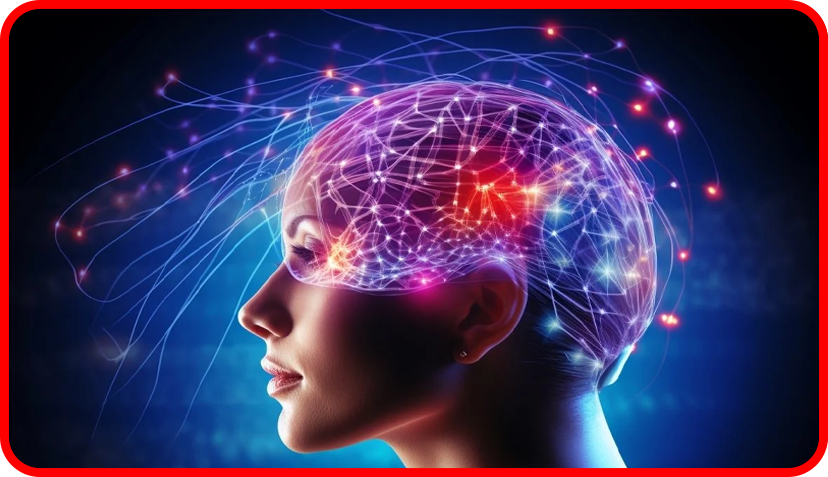
Studies have shown that music education boosts cognitive abilities such as memory, attention, and problem-solving skills in children with learning differences.
language development
Enhanced language development
Engaging with music aids in the
development of language skills, including vocabulary, pronunciation, and comprehension.
social interaction
Increased social interaction
Participating in group music activities
promotes social interaction, communication, and teamwork among children with learning differences.
expression
Emotional expression and regulation
Music serves as a powerful outlet
for emotional expression and helps children with learning differences manage their emotions effectively.
motor skills
Improved motor skills:
Playing musical instruments and engaging
in rhythmic activities help refine motor skills, coordination, and dexterity.
self-confidence
Boosted self-confidence:
Music provides a platform for children
with learning differences to showcase their talents, boosting their self-esteem and confidence.
academic performance
Enhanced academic performance
Research suggests that music
education correlates with improved academic performance, as it strengthens focus, discipline, and overall learning abilities.
learning differences
By incorporating music into the lives of children with learning differences, we can unlock their full potential, fostering their personal growth and overall well-being.
How students with learning differences benefit from music education.
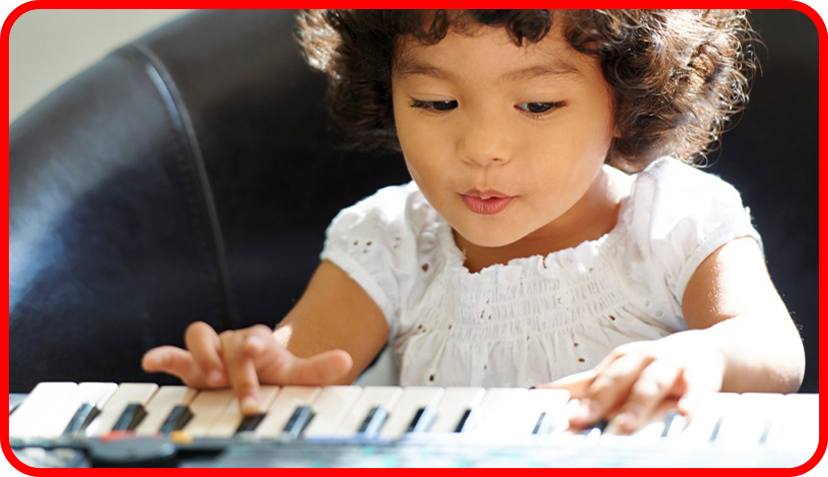
Children with learning differences such as Autism, ADHD, and Dyslexia benefit from music education in a multitude of ways. Studies in the United States and the United Kingdom show that students with mild to severe learning differences who receive music education show improvement in communication, joint attention, turn-taking, eye contact, socialization, mood regulation, and motivation, which increases their learning ability, and overall wellbeing. Here in the Musicology Lab, we know the benefits of music education will last your child a lifetime.
- FACT
Music therapy is proven to benefit with learning differences. language without music.
Music therapy holds immense benefits for students with learning differences, serving as a powerful and effective therapeutic approach. By integrating music into therapeutic interventions, students experience improved cognitive skills, enhanced emotional expression and regulation, increased social interaction, and heightened self-confidence.
Music therapy provides a safe and creative space for students to develop their abilities, overcome challenges, and thrive academically, emotionally,
Music therapy holds immense benefits for students with learning differences, serving as a powerful and effective therapeutic approach. By integrating music into therapeutic interventions, students experience improved cognitive skills, enhanced emotional expression and regulation, increased social interaction, and heightened self-confidence.
Music therapy provides a safe and creative space for students to develop their abilities, overcome challenges, and thrive academically, emotionally,
- Musicology Lab’s
- Learning System
- CERTIFICATE
Let’s get in touch